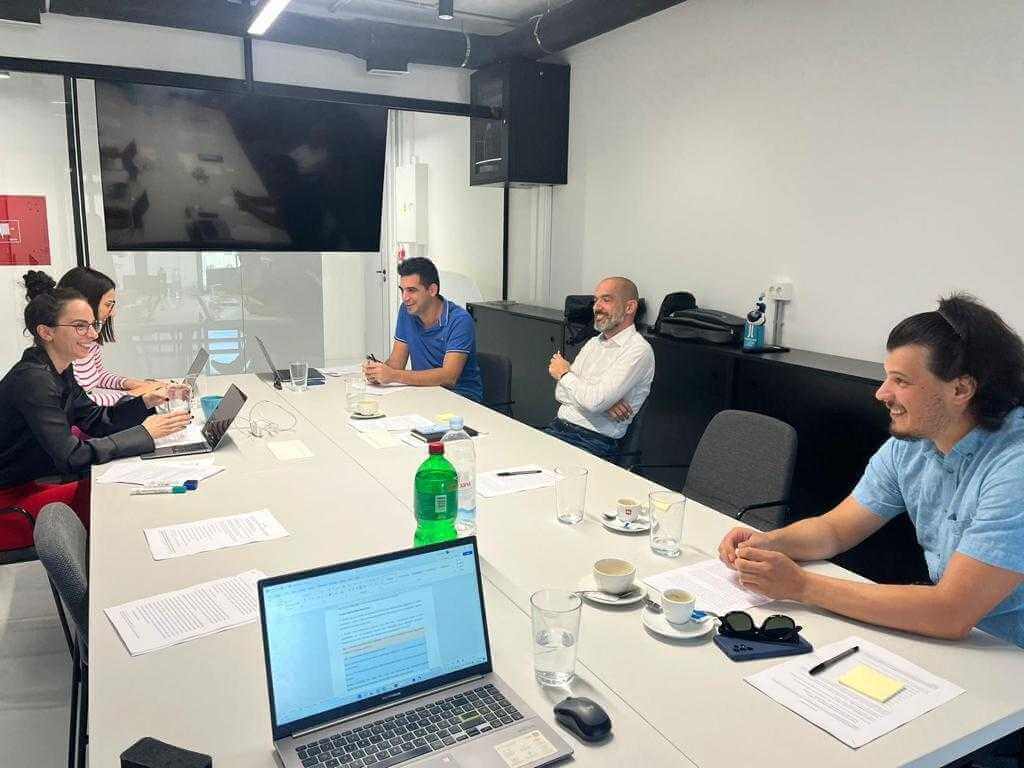
The NetHub Validated pre-acceleration program was inspired by the evolution of healthcare and launched with the desire to improve access to health data through innovation. Three teams were selected to participate in the program. With the support of experts from relevant fields, they are developing solutions to address recognized challenges in healthcare. The areas addressed include: elderly safety, medical tourism, and the development of personalized healthcare. The teams have focused their solutions on structuring health data to provide the end user with a new care model and a unique user experience. Market analyses have already shown the potential for some of these solutions to become radical innovations and change the lives of many people!
The program’s implementation is based on a combination of design thinking and lean startup methodologies. Design thinking is a human-centered approach that prioritizes researching and understanding user problems, goals, and needs, alongside technological possibilities and business requirements. Unlike traditional thinking, the design thinking process approaches the problem from various perspectives. On the other hand, the lean startup methodology accelerates the innovation process through an iterative procedure of testing prototypes with end users and improving them based on the results. This ensures the development of innovations with a validated market need.
Within the NetHub Validated program, an individualized plan was created for each team. Common to all teams is a five-phase process: immersion, ideation, prototyping, user testing, and a final demo day.
The first workshop, titled Immersion, was characterized by research activities to explore the context of the addressed challenges (elderly safety, medical tourism, and providing health information to tourists). When solving a healthcare challenge, it is crucial to understand the root of the challenge users face. In the first workshop, in-depth interviews were organized with users and representatives of target groups who provided insights into their own experiences. After considering the user perspective and deepening empathy for their challenges, the second workshop—Ideation—followed.
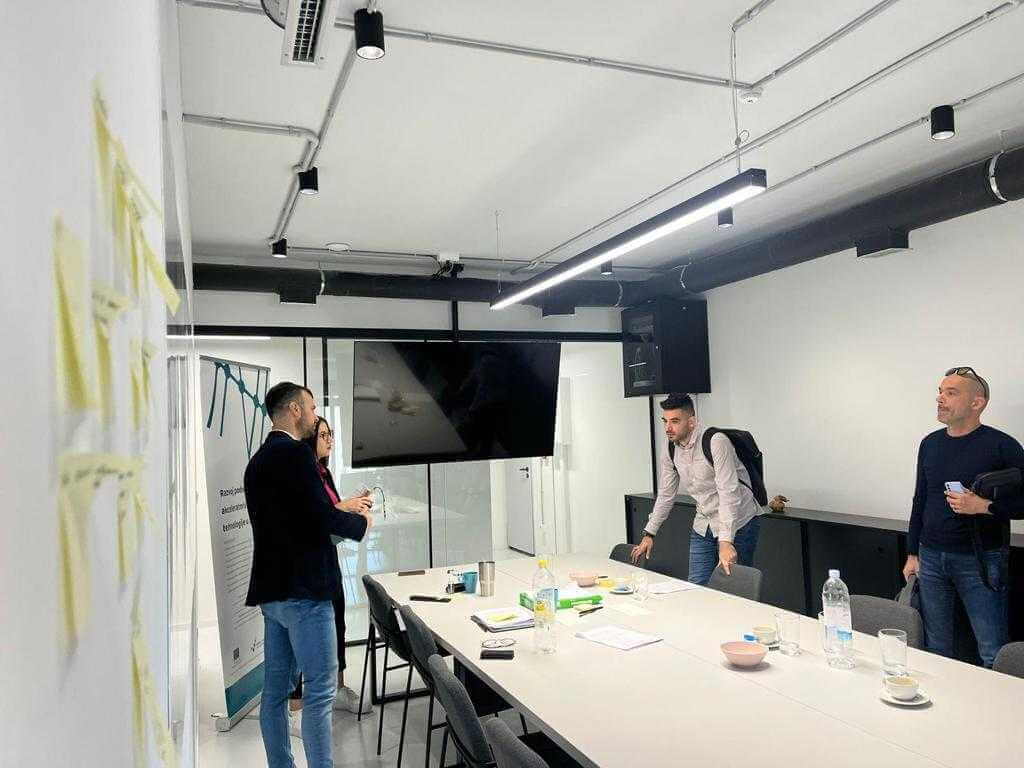
Numerous ideas were generated through ideation in accordance with the set healthcare challenges. These ideas marked the transition between understanding user problems and creating solutions for them. In this phase, teams visualized, generated, and evaluated different ideas to reach the optimal solution. The second workshop resulted in the selection of an idea that, through further phases, took the form of an innovative healthcare solution.
In the third phase, teams created prototypes for testing with end users. A prototype represents an experimental, semi-functional representation of the designed solution—the product or service.
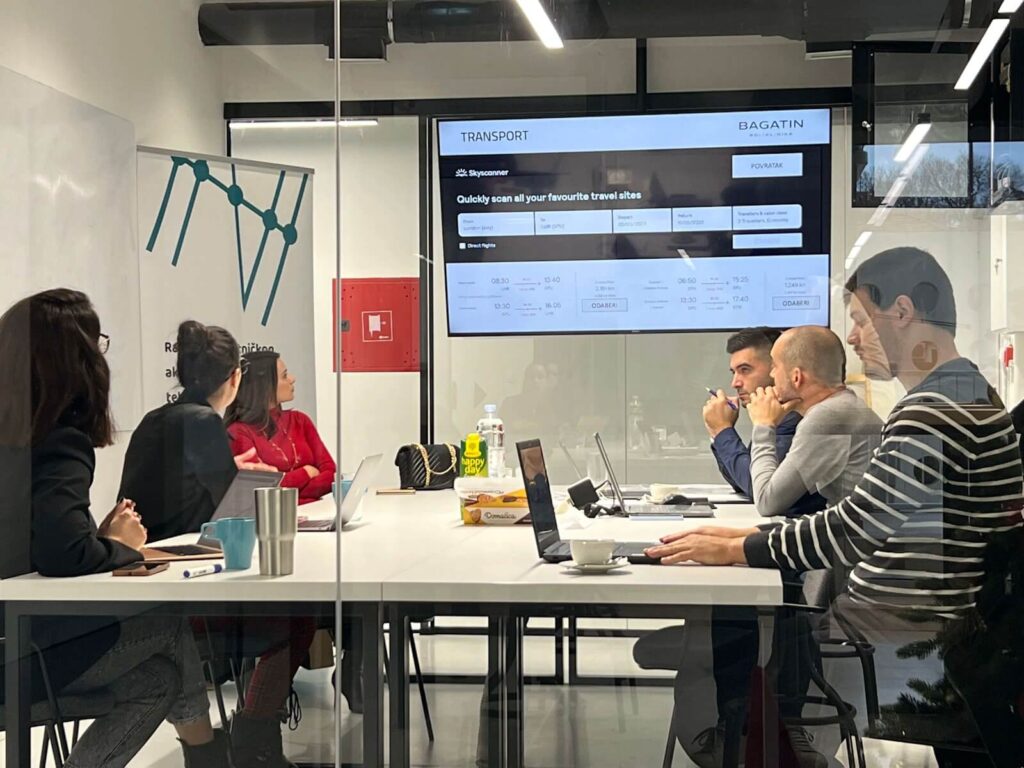
Following selection and prototyping, a market analysis was conducted, confirming the market viability and innovativeness of the solutions. In the fifth phase, user testing was performed. User testing is a research technique for evaluating user experience. Facts learned during user testing are far superior to any assumptions or instincts held by team members. The prototype was presented to users, and through interviews, they shared their reactions and opinions on the presented solution. The goal was to collect first-hand information to ensure the solution truly meets user needs while remaining easy to use.
To see how the teams utilized user feedback to improve their solutions and what the final products look like—stay tuned!